
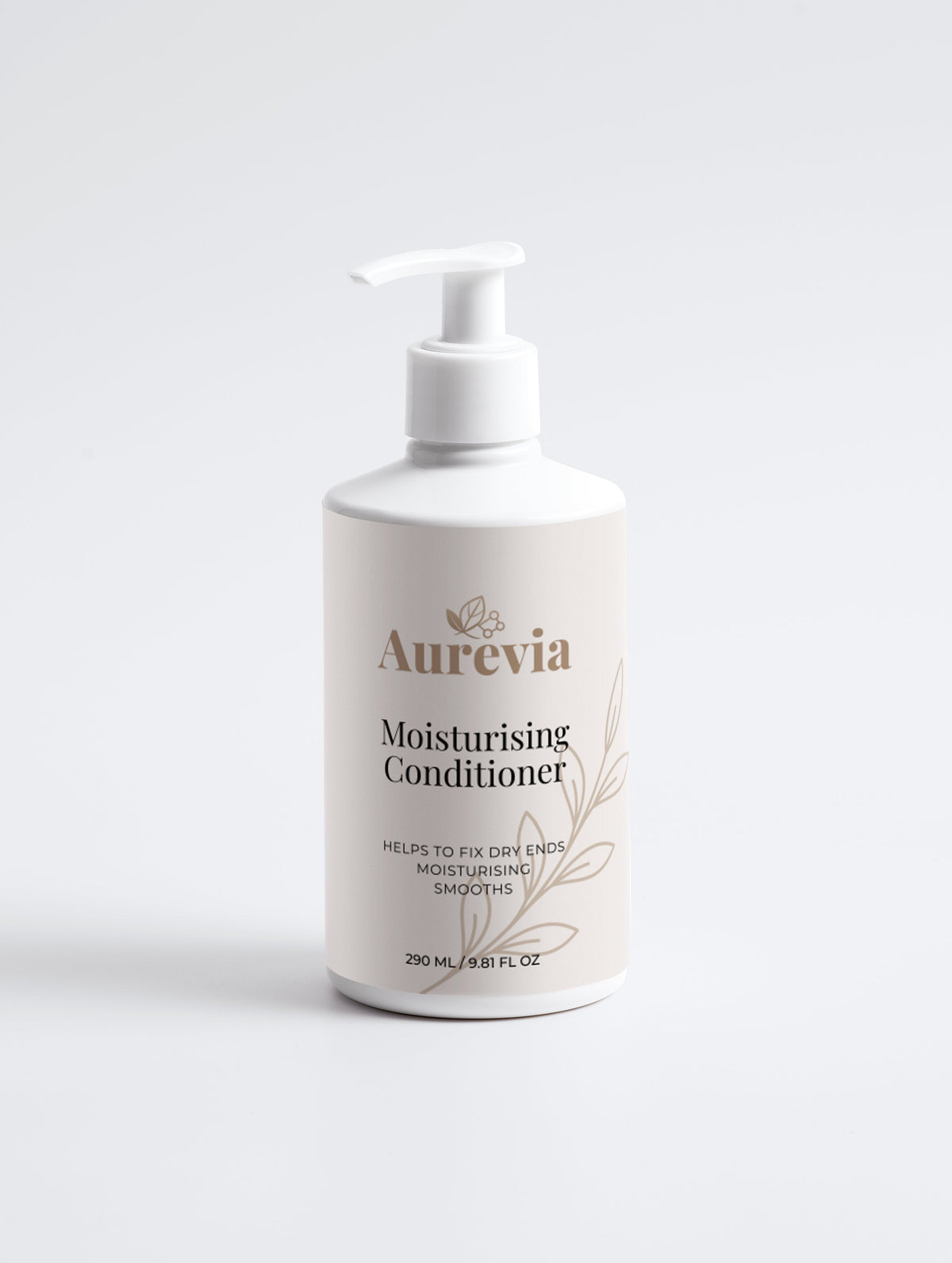
Shampoo is the cleansing step; conditioner is the conditioning step. They are used differently, so they are not interchangeable simply because both belong in the shower. A useful routine gives each product a defined role, with shampoo addressing the wash and conditioner placed according to its own instructions.
The distinction becomes especially helpful when your roots and ends feel different. You may want freshly washed roots and conditioned lengths at the same time. Choosing one concern for your entire head can make that decision harder than it needs to be.
What you are choosing when you choose shampoo
Your shampoo decision is about the cleansing product you will use on wash day. Consider your usual styling products, how your scalp feels between washes and what you enjoy using. Fragrance preference also matters: a routine you find pleasant is easier to repeat than one chosen solely from a list of unfamiliar ingredients.
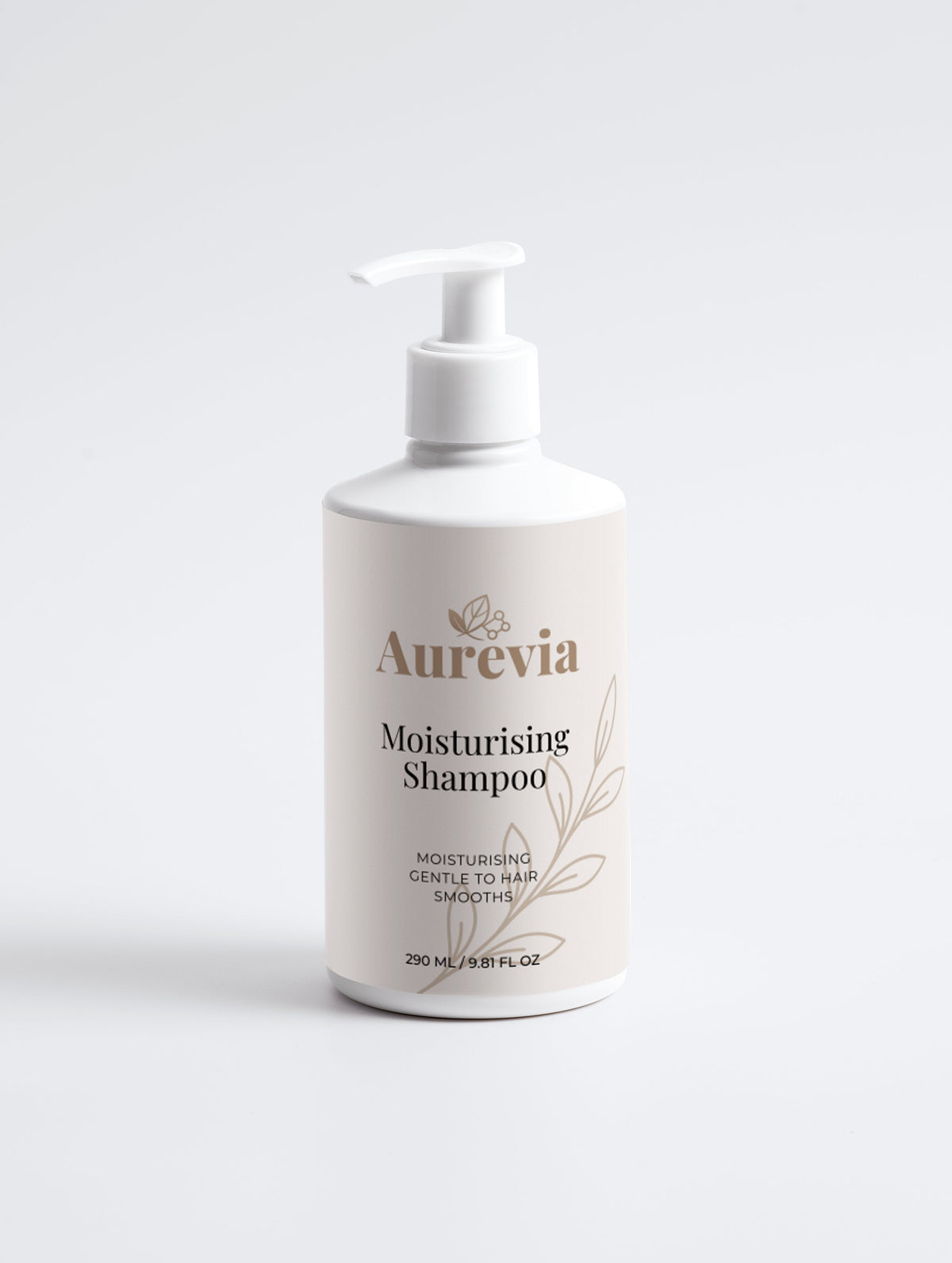
Aurevia Moisturising Shampoo is applied through thoroughly damp hair and across the scalp. Its directions call for gentle fingertip massage and complete rinsing with warm water, with a repeat wash only if necessary. Those application details are more actionable than trying to judge how good a shampoo is from the size of its lather.
Choose the wash around the cleansing step you want, then consider how you would like the lengths to feel afterwards. Keeping those decisions separate makes it easier to build a pairing that suits your day and preferred style.
What you are choosing when you choose conditioner
With conditioner, think about the lengths you want to condition and the finish you prefer. Mid-lengths and ends may need a different amount from the hair nearest your scalp. For a short style, there may be little length to work through; for long hair, the same instruction covers a much larger area.
Aurevia Moisturising Conditioner contains aloe leaf juice, argan kernel oil and hydrolysed wheat protein. The listed use is after shampooing, concentrating on the mid-lengths and especially the ends, leaving it for two to five minutes and rinsing thoroughly. Read the complete formula alongside the application details when comparing it with your preferences.
If you are considering a different finish, Aurevia Fresh Conditioner, Citrus Cocktail is another rinse-out option. Its directions specify application to the ends and a one-to-three-minute contact time. The two conditioners therefore need their own instructions, even though they share the same broad product category.
Does every routine need matching names?
A matching shampoo and conditioner can simplify your shopping decision. Within that pairing, each product still has its application area. You can enjoy freshly washed roots and conditioning at the ends as two parts of the same routine.
For example, someone may prefer the cleansing step they already use but want a conditioner with a different scent or contact time. Someone else may find a paired routine easier to remember. Both are practical choices; judge them by the directions and your experience rather than a rule that every label must match.
Rinse-out and leave-in are separate questions
The word conditioner also appears in discussions of retained products. A rinse-out conditioner is removed after its stated contact time. A leave-in product remains in the hair and has its own application instructions. Checking the format helps you know which application is complete in the shower and which continues into your styling routine.
If you are comparing steps, first ask whether you need cleansing, rinse-out conditioning or an optional retained product. Then read the specific directions. That order keeps product categories from becoming a collection of bottles without clear purposes.
You can compare the available formats in the Aurevia range. Choose the wash, choose the conditioning placement, and keep the purpose of each step clear enough that you can notice what you would like to adjust.

Leave a comment
This site is protected by hCaptcha and the hCaptcha Privacy Policy and Terms of Service apply.